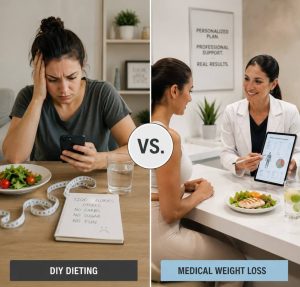
 Losing weight is rarely as simple as following the latest trend online. Many people start with strict meal plans, fitness challenges, or social media diet hacks, hoping for fast results. While some see short-term changes, keeping the weight off is often the real challenge.
That is why more beauty and wellness companies like New Beauty Company are expanding their services to include medical weight loss programs. These treatments go beyond basic dieting advice. They combine professional guidance, personalized plans, and ongoing support to help clients achieve healthier and longer-lasting results. But how does medical weight loss compare to traditional DIY dieting? And which option is actually more effective?
What Is DIY Dieting?
DIY dieting refers to self-managed weight loss methods. This can include calorie counting, intermittent fasting, low-carb diets, detox programs, or online exercise routines. The biggest appeal is convenience. Many people can download a free app, follow influencers on social media, or buy meal plans without visiting a professional.
DIY dieting can work for some people, especially those who only need minor lifestyle adjustments. However, the problem with self-guided dieting is that it often lacks structure and personalization. Many people follow plans that were not designed for their body type, metabolism, medical history, or lifestyle.
This often leads to:
- Weight cycling or “yo-yo dieting.”
- Unrealistic calorie restrictions
- Nutritional deficiencies
- Burnout and frustration
- Difficulty maintaining results
Many trending diets also focus heavily on fast results rather than long-term wellness. Losing weight too quickly can affect energy levels, skin quality, and overall appearance. For beauty and wellness clients, this matters. Rapid or unhealthy weight loss can sometimes lead to dull skin, dehydration, hair thinning, or loss of muscle tone.
What Is Medical Weight Loss?
Medical weight loss is a professionally supervised approach to weight management. These programs are usually offered through wellness clinics, med spas, beauty centers, or healthcare providers. Unlike DIY dieting, medical weight loss plans are personalized. They often begin with a consultation that reviews factors such as:
- Current health conditions
- Hormone balance
- Lifestyle habits
- Body composition
- Metabolism
- Weight loss history
Based on these findings, professionals create a tailored treatment plan. Depending on the provider, medical weight loss services may include:
- Nutritional counseling
- Prescription medications
- Hormone support
- Vitamin injections
- Body composition analysis
- Lifestyle coaching
- Appetite management treatments
- Non-invasive body contouring services
Many beauty companies now combine medical weight loss with aesthetic treatments to support overall confidence and appearance. For example, clients may pair weight-loss programs with skin-tightening treatments, body sculpting, or wellness therapies to help improve body confidence during their transformation.
Why Professional Support Makes a Difference
One of the biggest reasons medical weight loss tends to be more effective is accountability.
Many people struggle with consistency when dieting alone. Motivation can fade quickly without support or guidance.
Medical programs usually involve regular check-ins, progress tracking, and adjustments based on results. This creates a more structured system that helps clients stay committed. Professional supervision can also reduce common dieting mistakes.
A medically supervised program focuses on sustainable progress instead of extreme restrictions.
This is especially important for individuals who have underlying issues affecting their weight, such as hormone imbalances, insulin resistance, or chronic stress. DIY dieting may not address these root causes.
The Beauty and Wellness Connection
Modern beauty companies are no longer focused only on external appearance. Many now take a more complete wellness approach. Clients today are looking for services that help them feel healthier, more confident, and more comfortable in their bodies.
Medical weight loss fits naturally into this shift. Unlike crash dieting, professionally guided weight management programs often prioritize healthy habits that support both wellness and appearance. Steady, balanced weight loss can help clients maintain:
- Better skin hydration
- Improved energy levels
- Stronger muscle tone
- Healthier hair and nails
- Better overall confidence
Beauty and wellness clinics also provide a more supportive environment than many traditional diet programs. Instead of focusing only on numbers on a scale, these services often emphasize total-body wellness and realistic lifestyle changes. This approach can make the process feel less stressful and more sustainable.
Are DIY Diets Ever Effective?
DIY dieting is not always ineffective. Some people successfully lose weight through regular exercise, mindful eating, and healthy daily habits. The key difference is sustainability.
People who succeed with self-guided dieting usually avoid extreme restrictions. They focus on long-term routines rather than quick fixes. Still, many individuals struggle because online advice can be overwhelming and contradictory.
One week, a high-protein diet is trending. The next week, detox teas or fasting programs dominate social media. Without professional guidance, it becomes difficult to know which methods are actually healthy and effective. This confusion often causes people to repeatedly start and stop diets without seeing lasting results.
Which Option Is More Effective?
For long-term success, medical weight loss is generally more effective than DIY dieting. The main reason is personalization. Medical professionals can identify obstacles that may impede progress and create a plan tailored to the individual. This increases the likelihood of steady, maintainable results.
Professional supervision also helps clients avoid unhealthy dieting patterns that may negatively affect both wellness and appearance. However, people who have struggled with repeated dieting, slow progress, or weight regain may benefit from a more structured and medically guided approach. For beauty and wellness companies, offering medical weight loss services also meets growing client demand for treatments that combine aesthetics with overall health support.
Final Thoughts
Weight loss is personal, and there is no single solution that works for everyone. DIY dieting may help some individuals make healthier choices, but it often falls short when long-term results and overall wellness are the goal.
Medical weight-loss programs offer a more personalized and supportive experience. With professional guidance, clients can build healthier habits while protecting their energy, appearance, and confidence. As beauty companies continue expanding into wellness-focused services, medical weight loss is becoming an important part of helping clients look and feel their best in a safe and sustainable way.