

 Anti-aging treatments can address concerns such as fine lines, uneven skin tone, changes in texture, and loss of facial volume. However, what happens at an aesthetic clinic KL residents visit is only one part of caring for aging skin. Daily habits, including what you eat, can influence overall skin health. A healthy diet cannot replace Botox, fillers, laser procedures, or other aesthetic treatments, nor can a particular food erase wrinkles. However, good nutrition provides the nutrients the body needs for normal skin function, tissue repair, and collagen production. While changing your diet may not transform the outcome of a cosmetic procedure, it can support your skin and complement a broader anti-aging plan.
Nutrition and Skin Health Are Connected
Skin is constantly exposed to sunlight, pollution, temperature changes, and other environmental factors. At the same time, natural aging gradually changes its structure and function. Nutrition helps provide the building blocks needed to maintain healthy tissue. Protein, vitamins, minerals, essential fats, and other nutrients all have roles in normal body processes that affect the skin.
Diet is only one influence. Genetics, hormones, sun exposure, smoking, sleep, skincare habits, medical conditions, and age can also affect how skin looks and responds to treatment. This is why nutrition is better viewed as supporting skin health rather than as an anti-aging treatment on its own.
Protein Supports Tissue Repair
Protein is important for maintaining and repairing tissues throughout the body. It also provides amino acids used to produce structural proteins, including collagen. Collagen helps give skin structure and strength, but its production and organization change as people age. Certain aesthetic procedures, such as microneedling and some laser treatments, work partly by triggering controlled injury and the body’s subsequent repair response.
Adequate protein intake can support normal healing processes. Protein sources include fish, poultry, eggs, dairy products, beans, lentils, soy foods, nuts, and seeds. That does not mean eating very large amounts of protein will make an aesthetic procedure work better. The aim is adequate, balanced nutrition rather than excessive intake of one nutrient.
Vitamin C Has a Role in Collagen Formation
Vitamin C is involved in normal collagen synthesis and also acts as an antioxidant. Foods rich in vitamin C include citrus fruits, strawberries, kiwi, bell peppers, broccoli, and tomatoes. Including these foods in a varied diet can help provide the nutrients the body needs for normal skin function.
Vitamin C is sometimes associated with brighter or younger-looking skin, but expectations should remain realistic. Eating an orange every morning will not remove established wrinkles or replace professional treatment. Instead, adequate vitamin C intake supports biological processes that help maintain healthy tissue.
Healthy Fats Help Support the Skin Barrier
Dietary fats are another important part of skin health. Essential fatty acids contribute to normal skin barrier function. A healthy barrier helps the skin retain moisture and protects it from external irritants. When that barrier is compromised, skin may feel dry, rough, or sensitive.
Sources of unsaturated fats include oily fish, nuts, seeds, avocado, and olive oil. Omega-3 fatty acids, found in foods such as salmon, sardines, walnuts, and flaxseeds, can also be included as part of a balanced diet. Healthy fats are not a substitute for moisturizer or professional treatment, but they support the overall nutrition the body needs.
Antioxidant-Rich Foods Can Be Part of the Picture
Oxidative stress occurs when reactive molecules overwhelm the body’s antioxidant defenses. It is one of several processes associated with skin aging, particularly when combined with factors such as UV exposure. Fruits and vegetables provide various antioxidant compounds and nutrients. Berries, leafy greens, tomatoes, carrots, peppers, and other colorful produce can all contribute to a varied diet.
But the term “antioxidant” should not be treated as a promise of younger-looking skin. No single antioxidant-rich food can stop aging. Eating a range of whole foods is generally more practical than searching for one supposed anti-aging ingredient.
Hydration Matters, but Water Is Not a Wrinkle Treatment
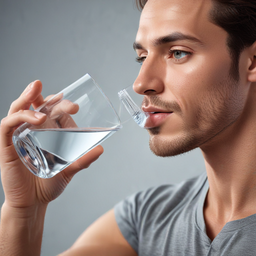
Staying adequately hydrated supports normal body function, including the skin. Dehydration can contribute to dryness and may make skin feel less comfortable. However, drinking excessive amounts of water does not directly fill wrinkles or reproduce the effects of injectable treatments.
People should generally aim for appropriate fluid intake based on factors such as activity level, climate, health, and individual needs. Water, along with fluids obtained from foods and other beverages, contributes to hydration. For the skin itself, topical moisturizers can also help reduce water loss and improve surface hydration.
Can Diet Help With Recovery After Aesthetic Procedures?
Some cosmetic treatments temporarily cause redness, swelling, tenderness, peeling, or other signs of controlled tissue injury. During recovery, the body needs enough energy and nutrients to support normal healing. A balanced diet containing adequate protein, fruits, vegetables, whole grains, and healthy fats can support this process.
Patients should also follow the specific aftercare instructions provided by their clinician. Depending on the procedure and individual medical history, a provider may advise on alcohol, supplements, medications, exercise, sun exposure, or skincare products before and after treatment. Patients should not stop prescribed medication or begin high-dose supplements simply because they have an aesthetic procedure scheduled. Discuss any changes with the relevant healthcare professional.
What About Collagen Supplements?
Collagen powders, drinks, and capsules are widely marketed for skin aging. Some research suggests that certain oral collagen supplements may provide modest improvements in measures such as skin hydration or elasticity in some people.
However, products differ in their ingredients, doses, and quality, and supplements are not necessary for everyone. They should not be expected to reproduce the results of medical aesthetic procedures. Anyone considering supplements, particularly people taking medications or managing a health condition, should discuss them with a qualified healthcare professional.
Think of Diet as Support, Not a Substitute
A healthy diet can contribute to good skin health and provide nutrients involved in collagen formation, barrier function, and normal tissue repair. That makes nutrition a useful part of a broader approach to caring for aging skin.
But diet has limits. It cannot prevent every age-related change, reverse significant volume loss, or replace treatments designed for specific cosmetic concerns. The most sensible approach combines realistic expectations with consistent habits. Balanced nutrition, sun protection, appropriate skincare, adequate sleep, and avoiding smoking can support skin health between aesthetic appointments.
And when professional anti-aging treatments are part of the plan, healthy eating can work alongside them rather than being treated as a replacement. The goal is not to find a food that stops aging, but to give the skin and the rest of the body the nutritional support they need to function well.
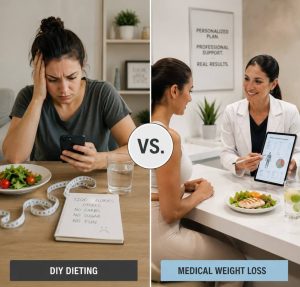 Losing weight is rarely as simple as following the latest trend online. Many people start with strict meal plans, fitness challenges, or social media diet hacks, hoping for fast results. While some see short-term changes, keeping the weight off is often the real challenge.
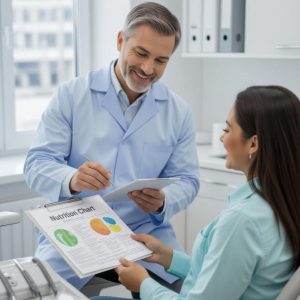 Statistics reports 90% of adults worldwide will experience some form of tooth decay or gum disease during their lifetime. This striking statistic reveals how common oral health problems are and how lifestyle choices, including diet, play a major role in prevention. Dental professionals now emphasize that what you eat affects more than just your waistline. It shapes the strength of your teeth, the resilience of your gums, and even your overall well-being.
 The root of the Wild Yam (Dioscorea villosa) has long been valued in traditional medicine for its diverse therapeutic properties. What makes it particularly compelling for hormone health is its rich content of diosgenin. This steroidal saponin is a key precursor that can be chemically converted in a laboratory setting into various steroid hormones, including progesterone. While the body cannot directly convert diosgenin from wild yam into progesterone, its presence in nutritional supplements and skincare products signifies a commitment to leveraging nature’s building blocks for wellness. Imagine Dermatology uses Wild Yam in formulating Prog-Relief Progesterone cream. This is especially appealing to individuals who prioritize a clean-living lifestyle, seeking solutions that align with their desire for natural, plant-derived ingredients over synthetic alternatives.
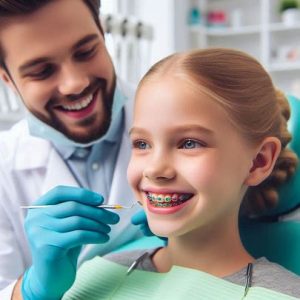 Orthodontic health plays a critical role in how effectively your body processes food. Properly aligned teeth allow for efficient chewing, which is the first step in digestion. When your teeth are misaligned, it can complicate this process, affecting not just your eating habits but also your overall nutrition. Poor chewing can limit food choices, reduce nutrient absorption, and even impact long-term health. Understanding this connection highlights the importance of addressing dental alignment early, especially for children, to foster lifelong healthy eating habits.


 Physical fitness isn’t the only reason for being wholesome; being healthy means being emotionally and emotionally healthy. Becoming healthy ought to be a part of your total way of life. Living a wholesome lifestyle will help prevent chronic ailments and long term ailments. Feeling good about yourself and taking good care of your own health is essential to self-esteem along with self-image. Keep a wholesome lifestyle by doing what’s ideal for your physique.

 Malnutrition describes becoming too much or too small of certain nutrients. It may cause serious health problems, including cardiovascular disease, eye problems, diabetes, obesity, and growth. Countless people are affected. Some people have a higher risk of developing particular kinds of malnutrition based on assets, lifestyle, and their surroundings. This report discusses different types, symptoms, and causes for malnutrition and supplies advice about treatment and prevention.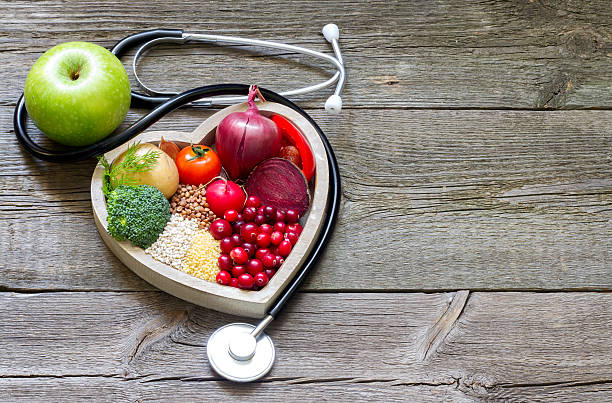



 When it comes to fitness and bodybuilding, physical strength is often the main focus. However,
 Supporting energy and metabolism starts with addressing cellular health. Mitolyn, a supplement designed for these purposes, has gained attention for its natural ingredients and significant health benefits. Many experts highlight its role in improving digestion, enhancing energy levels, and supporting metabolic function, making it a valuable addition to a balanced lifestyle.
 First responders are the backbone of any community during emergencies. Whether it’s a firefighter running into a burning building, a police officer facing danger, or a paramedic working tirelessly to save lives, these professionals encounter intense and often traumatic situations as part of their daily lives. But while their bravery is unquestionable, the toll that these critical incidents take on their mental health is significant and sometimes overlooked. That’s where Critical Incident Stress Debriefing (CISD) comes into play. CISD is a structured, team-oriented approach designed to help first responders process their experiences and
  Renowned in the nootropic industry, Thesis provides scientifically supported, stimulant-free formulations. Their products aim to rebalance the brain and enhance mental performance without causing any adverse effects. Thesis presents customized brands to meet various cognitive demands.
 Erectile dysfunction (ED) affects millions of men worldwide and is more common than many realize. It’s not just an issue for older men; younger men can experience it, too. ED can result from various factors, including stress, lifestyle choices, and underlying health conditions. Fortunately, there are effective ways to address it, including natural remedies and male enhancement pills.

 Many consumers said they felt Nitric Boost Ultra raised their energy levels. They talked of being more attentive, concentrated, and able to do everyday chores more simply.


 The realm of psychedelic research is witnessing an unprecedented revival, with substances like psilocybin – the psychoactive compound in Achete Champignon magique en ligne Quebec – at the forefront. Emerging research indicates that psilocybin may have the potential to do more than just alter perception and mood; it might also stimulate neurogenesis, the development of new neurons in the brain. This finding has the potential to significantly transform our approach to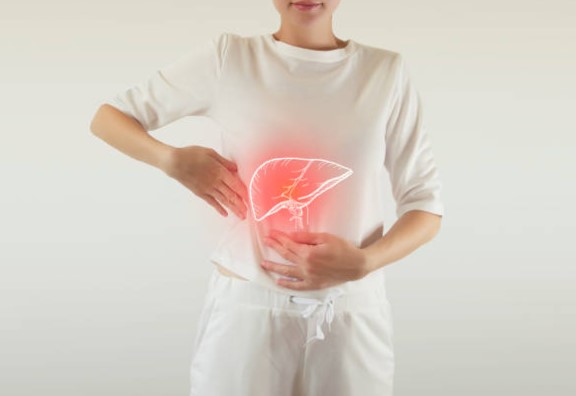


 Maintaining a healthy liver is crucial for overall well-being, as this organ plays a vital role in detoxification, metabolism, and nutrient storage. While a balanced diet and lifestyle are fundamental to liver health, regular exercise has emerged as a powerful ally in promoting optimal liver function and managing weight.
 Most users who experienced relief and improvement after 60 days, had first consulted their physician. If the hearing loss case is already serious, the doctor will refer the patient to an ENT (Ears, Nose and Throat) specialist to decide if the Cortexi ear-health
  While hearing loss is common in older adults, eating food rich in certain nutrients as well as avoiding ingredients that can weaken cochlear health, can help prevent loss of hearing ability among younger people.


